A Concord Hymn, Part Two

March 10, 2026

Crafting meaning out of experience, tragedy, gratitude

In Part I, I wrote about the historical significance of Concord, Massachusetts, from the vantage point of its birthright for the American Spirit of Independence via the ‘shot heard ‘round the world’ and the start of the American Revolutionary War. I also mentioned Ralph Waldo Emerson and his Concord Hymn.

Crafting meaning out of experience, tragedy, gratitude

In Part I, I wrote about the historical significance of Concord, Massachusetts, from the vantage point of its birthright for the American Spirit of Independence via the ‘shot heard ‘round the world’ and the start of the American Revolutionary War. I also mentioned Ralph Waldo Emerson and his Concord Hymn.


His paternal grandfather, Reverend William Emerson, is worth a few notes. William Emerson attended Harvard at the age of 14, pursuing Theological Studies, and graduated in 1761. Not only was William Emerson the minister of Concord’s First Congregational Church, but he was known as a staunch patriot who actively supported resistance to British policies long before open conflict.


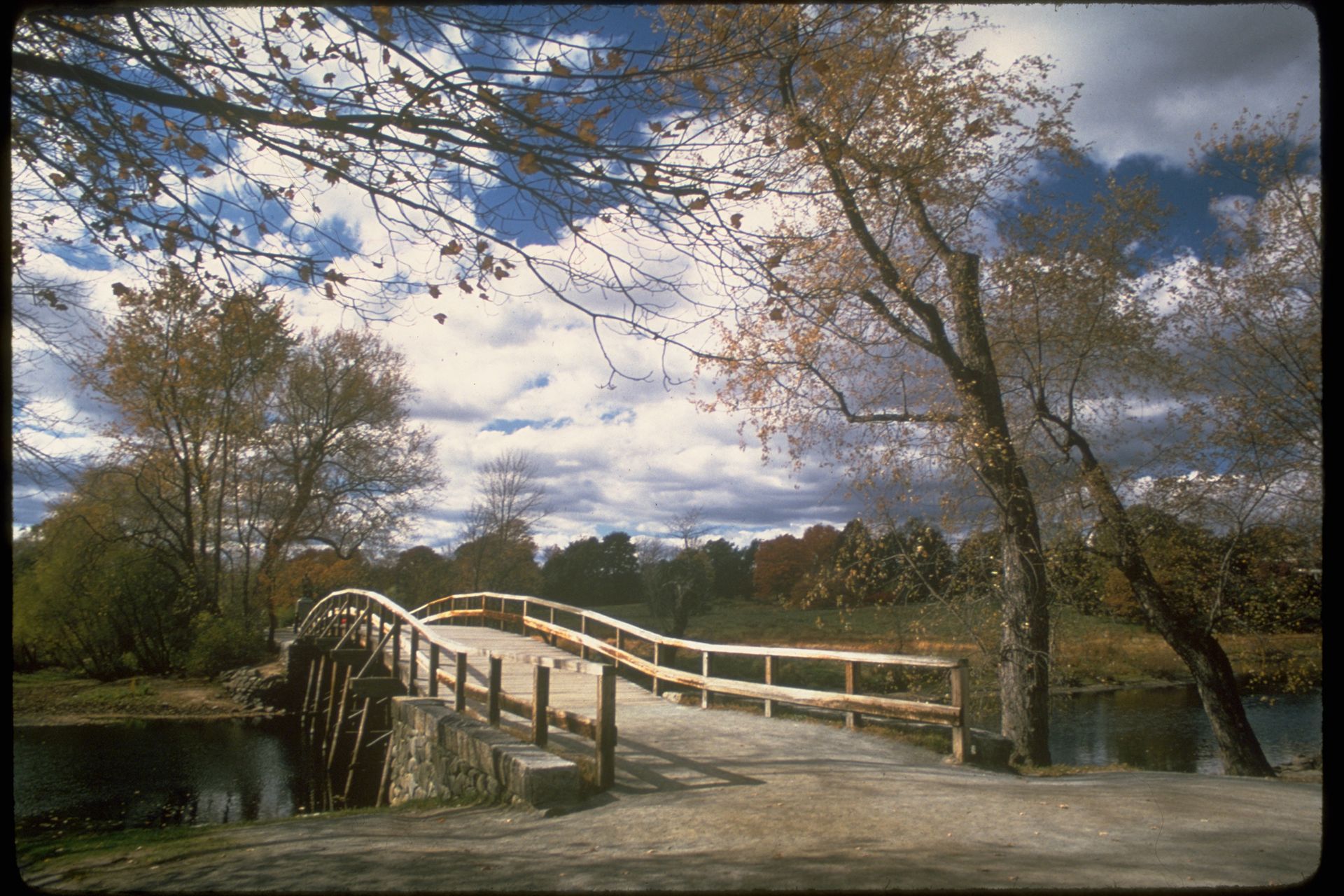
Following the death of their minister Daniel Bliss, William Emerson was appointed as Concord’s Congregational minister on New Year’s Day 1766, not yet twenty-three years of age. Emerson was known for his preaching against British tyranny, and urging resistance in fiery terms. British intelligence reports from early 1775 described him as “un tres mauvais sujet” (“a very bad subject of the Crown”). His fiery sermons helped to galvanize the locals prior to the outbreak of the war and their family home which he built, Old Manse, overlooks the battlefield and site of Old North Bridge, still standing to this day. 

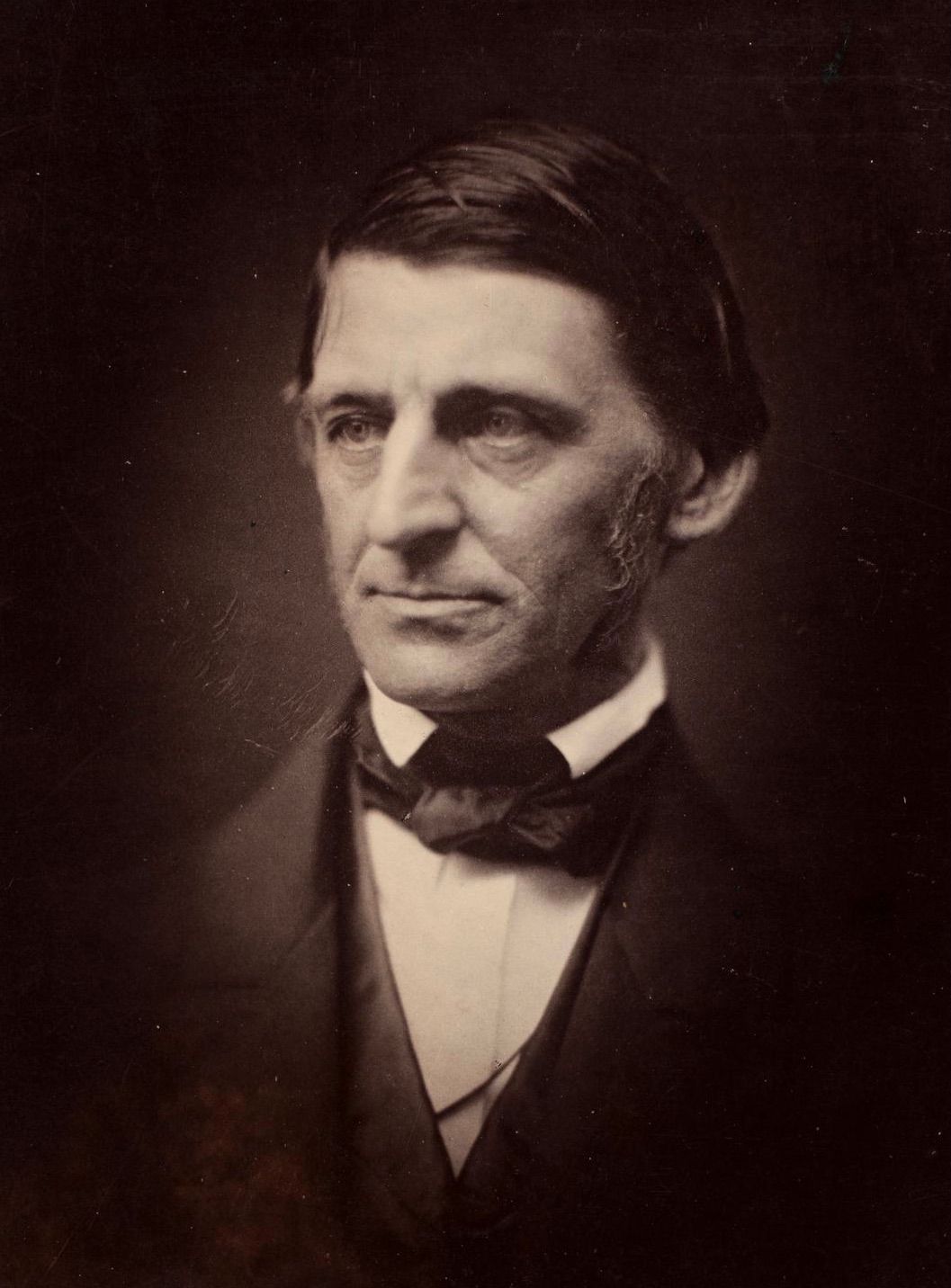
But who was Ralph Waldo Emerson? Born in Boston in 1803, he was the son of a Unitarian minister and later one himself. His family had been in Massachusetts since the 17th century, and its heritage was part of the broader New England Protestant culture that emphasized education, moral responsibility, and community leadership – values that shaped his world views. 


His paternal grandfather, Reverend William Emerson, is worth a few notes. William Emerson attended Harvard at the age of 14, pursuing Theological Studies, and graduated in 1761. Not only was William Emerson the minister of Concord’s First Congregational Church, but he was known as a staunch patriot who actively supported resistance to British policies long before open conflict.


Following the death of their minister Daniel Bliss, William Emerson was appointed as Concord’s Congregational minister on New Year’s Day 1766, not yet twenty-three years of age. Emerson was known for his preaching against British tyranny, and urging resistance in fiery terms. British intelligence reports from early 1775 described him as “un tres mauvais sujet” (“a very bad subject of the Crown”). His fiery sermons helped to galvanize the locals prior to the outbreak of the war and their family home which he built, Old Manse, overlooks the battlefield and site of Old North Bridge, still standing to this day. 


William Emerson later served as chaplain to the Massachusetts Provincial Congress and the Continental Army. At the request of George Washington, he travelled to Fort Ticonderoga to minister to their troops, but tragically fell ill and died of dysentery before he could make it back home to Concord. 


Ralph Waldo Emerson was himself Harvard educated and pursued Theological studies as well. He left the ministry in his early 30’s however. He moved to Concord in 1834 where he lived for the next near 50 years until his passing in 1882. It was here that he wrote most of his famous works.

William Emerson later served as chaplain to the Massachusetts Provincial Congress and the Continental Army. At the request of George Washington, he travelled to Fort Ticonderoga to minister to their troops, but tragically fell ill and died of dysentery before he could make it back home to Concord. 


Ralph Waldo Emerson was himself Harvard educated and pursued Theological studies as well. He left the ministry in his early 30’s however. He moved to Concord in 1834 where he lived for the next near 50 years until his passing in 1882. It was here that he wrote most of his famous works.


Those are the bare bones. Before touching on the details of his time spent in Concord, here are a few key pieces of his life story that are of particular consequence... life events that profoundly impacted and shaped his life’s trajectory. 

• In 1811, 8-year-old Emerson loses his father to a reported stomach tumor and the family is thrown into financial hardship. Loss and the resulting instability are a part of his everyday world. 

• In 1831, his first wife Ellen dies of “consumption” or tuberculosis (TB), less than two years after their vows, at the young age of 19 years. This was one of the most profound emotional and spiritual shocks of his life. 

• In 1834, Emerson’s younger brother by two years, Edward, dies of TB at the age of 29 years; in 1836, his younger brother by five years, Charles, dies at the age of 28, also from TB.


Now, I understand that no one’s course through life avoids troubled waters. Traumas are a reality of life. And they shape us. Having said that, that is a lot on one’s shoulders so early in life. That diseases such as tuberculosis and dysentery have largely disappeared in this country is noteworthy and deserving of our gratitude. You can clearly get a sense of how they impacted families of the day.


Emerson ended up moving back to his family home in Concord in 1834. He remarried and his first son Waldo, named for Emerson’s father, was born in 1835. But yet again tragedy struck in January 1841, when his son Waldo died at the age of five from Scarlet Fever, the single most devastating event of Emerson’s life.


Emerson’s writings, including journals which he kept throughout his life, reflect his processing of these events and attendant grief. They transition from deep personal heartbreak to a philosophy of soul, centered on resilience and self-reliance, as well as an intimate and intuitive connection to the divine found in ourselves and in Nature. 


Grief can do that to us; it can strip us down, bring us to our knees. Often it is precisely at these times when God reveals himself... when the divine whispers in our ear and tells our heart to rise. 


Emerson is known primarily for his writing, perhaps most notably Nature published in 1836 and Self-Reliance published in 1841. In Nature he postulates how the individual spirit participates in a universal spirit (“oversoul”), visible within the architecture of nature. With Self-Reliance he emphasizes the importance in trusting yourself, questioning conformity, individual over institution, and the necessity of recognizing the divinity within each of us. 


Trust thyself. Your intuition is sacred. Your inner voice carries truth. Authenticity matters more than approval. Individuals betray themselves when they subordinate their convictions to the consensus of public opinion. Self-reliance doesn’t mean a narcissistic isolation from society, but rather radical integrity, fidelity to inner conviction and moral independence. 


These thoughts seem particularly relevant to our contemporary times.


Born out of Emerson’s life and experiences was the Transcendentalist movement, emerging out of Concord in 1836. A small group of friends and literary artists including Emerson, Henry David Thoreau, Margaret Fuller, and Bronson Alcott would meet regularly to discuss philosophy, religion, and literature. Members would go on to publish and edit the magazine The Dial from 1840-1844, which pushed their influence nationwide. The principles in general espoused:

  1. The Over-Soul – a universal spiritual unity
  2. Intuition over tradition
  3. Nature as revelation
  4. Radical individualism
  5. Moral reform rooted in self-transformation


Though lasting perhaps only ten years or so as a formal American Intellectual movement, its influence would extend far beyond this time period and even profoundly impact social reform in America and across the globe. How? Abolitionism for starters. Transcendentalists argued that slavery was morally wrong and that individuals must act according to their conscience, not law or custom. People like Henry David Thoreau supported the Underground Railroad. Their call for self-reliance and moral courage inspired direct action against injustice. Spiritual and moral intuition drive an obligation to oppose social evils. 


They also impacted women’s rights and education, with Margaret Fuller promoting equality for women, most notably with Woman in the Nineteenth Century. Considered the first major feminist work in the U.S., it would later impact the women’s suffrage movement overall.


Their influence impacted education reform, arguing for intuition, creativity and moral cultivation over rote memorization, and even prison and penal reform, influenced by the idea that humans have inherent moral worth and potential for improvement. 

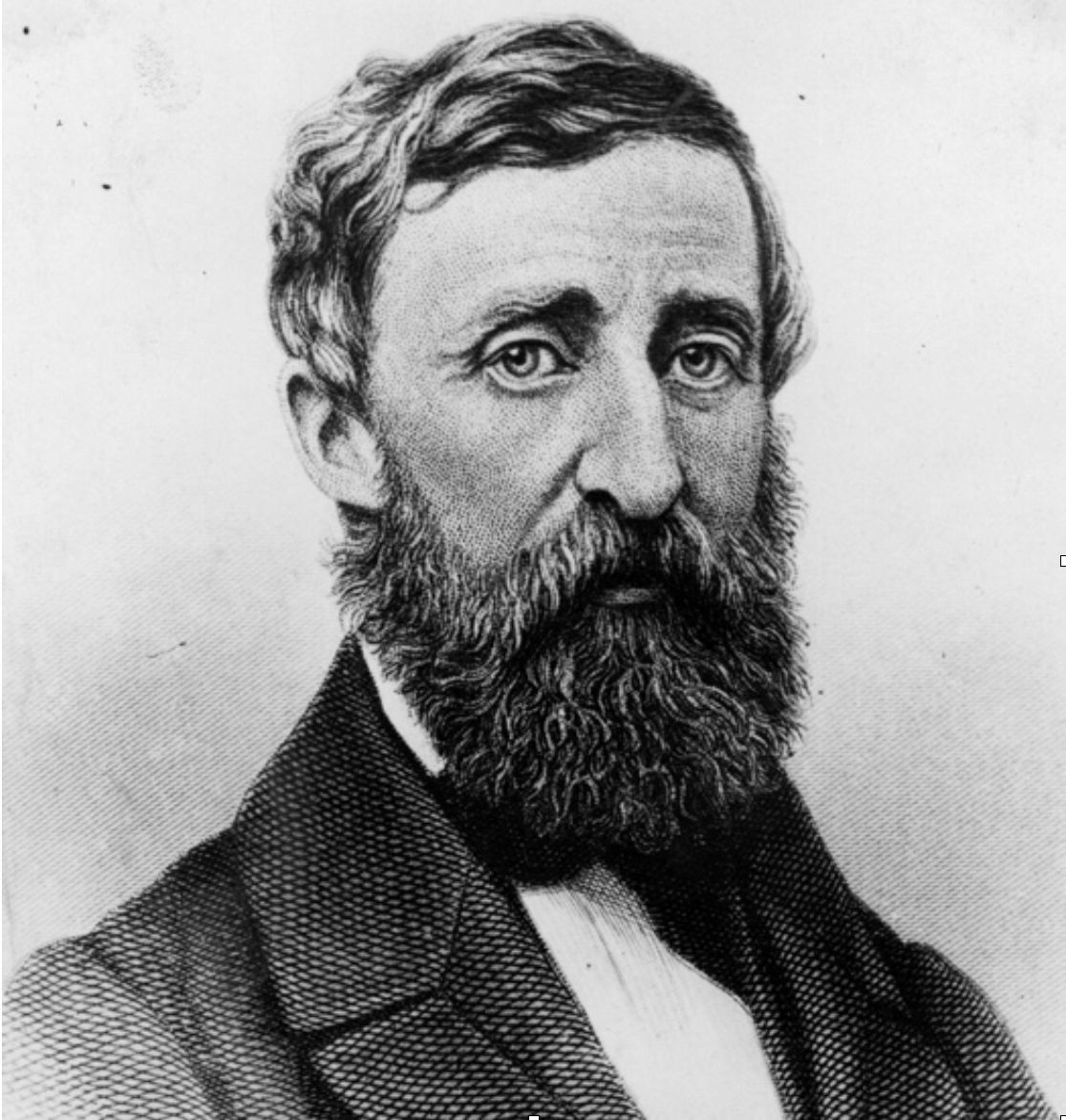
Which brings me to Thoreau. Born in Concord in 1817, he graduated from Harvard in 1837. Mentored by Emerson, he even lived with him and his family for a time. He was famously known for two major works: Civil Disobedience (1849) and Walden (1854). Walden is born out of his two-year experiment of living at Walden Pond. His site at Walden Pond was on Emerson’s property. In it, he argues for simplicity and minimalism, and connecting to nature. It served as a critique of the emerging materialism and industrialism of society. 


His Civil Disobedience essay was written after spending a night in jail for failure to pay a Poll Tax based upon his moral protest of government action including slavery. In the essay, Thoreau argues that individuals have a moral duty to resist unjust laws. Obedience to government is not absolute and conscience should override law. Resistance should be nonviolent, relying on personal integrity rather than force and an acceptance of the consequences (like jail) is necessary to demonstrate moral commitment. These ideas would later influence the work and thinking of key historical figures like Gandhi and MLK Jr. and led to additional social reform and justice. 

Which brings me to Thoreau. Born in Concord in 1817, he graduated from Harvard in 1837. Mentored by Emerson, he even lived with him and his family for a time. He was famously known for two major works: Civil Disobedience (1849) and Walden (1854). 

Walden is born out of his two-year experiment of living at Walden Pond. His site at Walden Pond was on Emerson’s property. In it, he argues for simplicity and minimalism, and connecting to nature. It served as a critique of the emerging materialism and industrialism of society. 


His Civil Disobedience essay was written after spending a night in jail for failure to pay a Poll Tax based upon his moral protest of government action including slavery. In the essay, Thoreau argues that individuals have a moral duty to resist unjust laws. Obedience to government is not absolute and conscience should override law. Resistance should be nonviolent, relying on personal integrity rather than force and an acceptance of the consequences (like jail) is necessary to demonstrate moral commitment. These ideas would later influence the work and thinking of key historical figures like Gandhi and MLK Jr. and led to additional social reform and justice. 

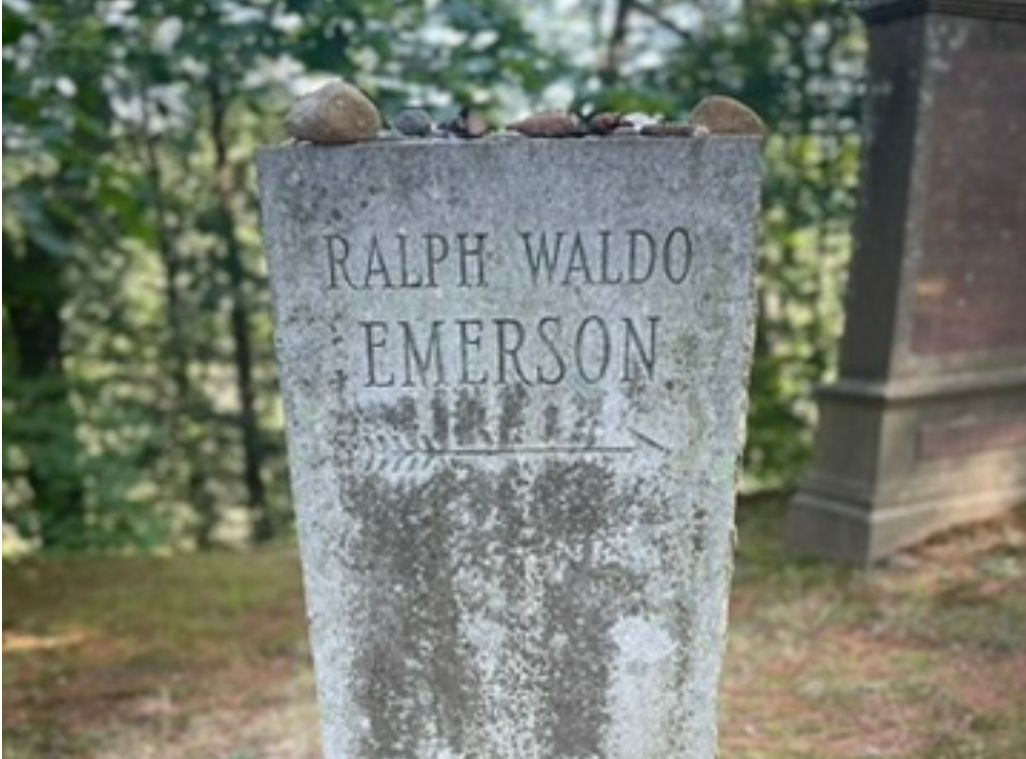
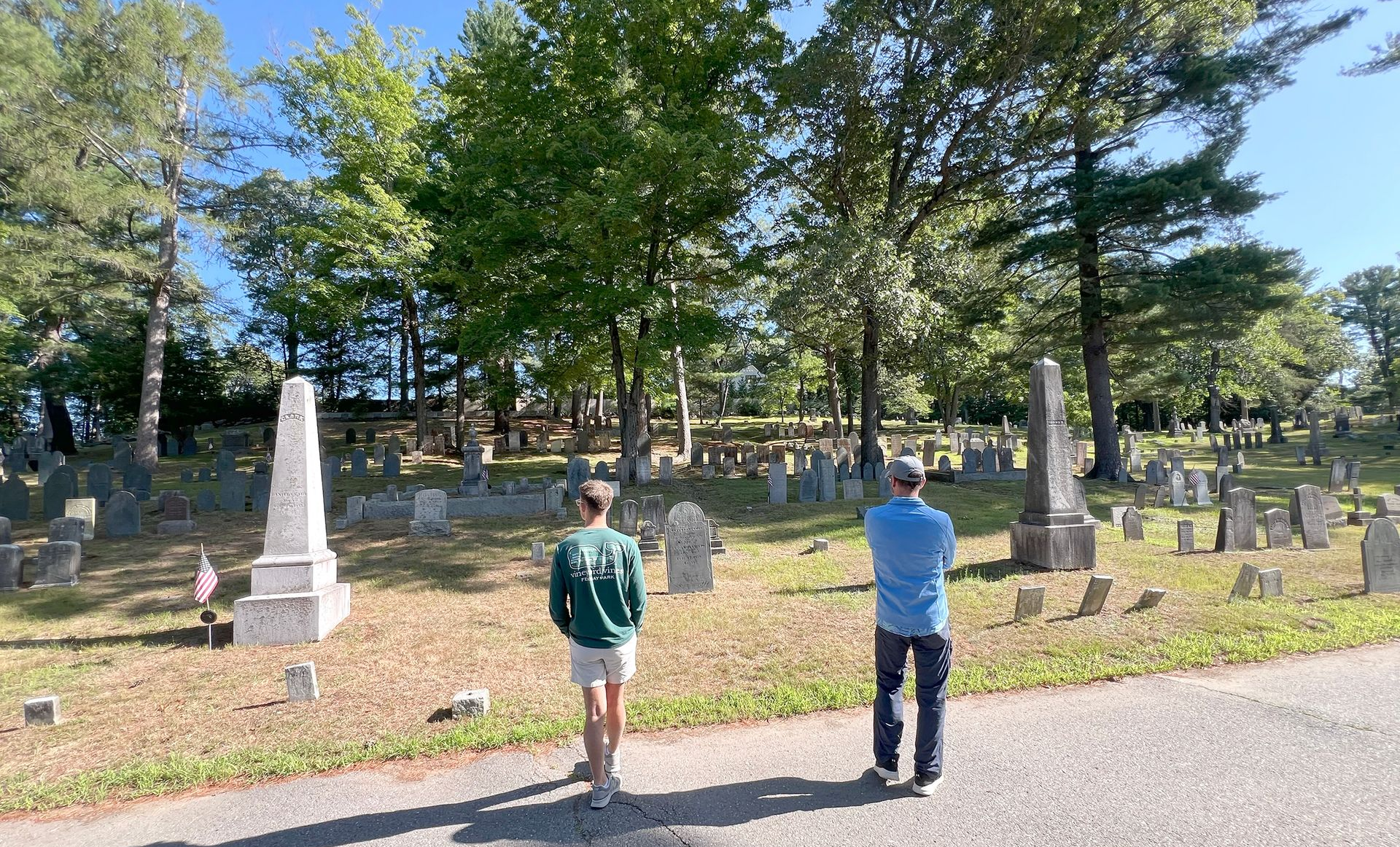
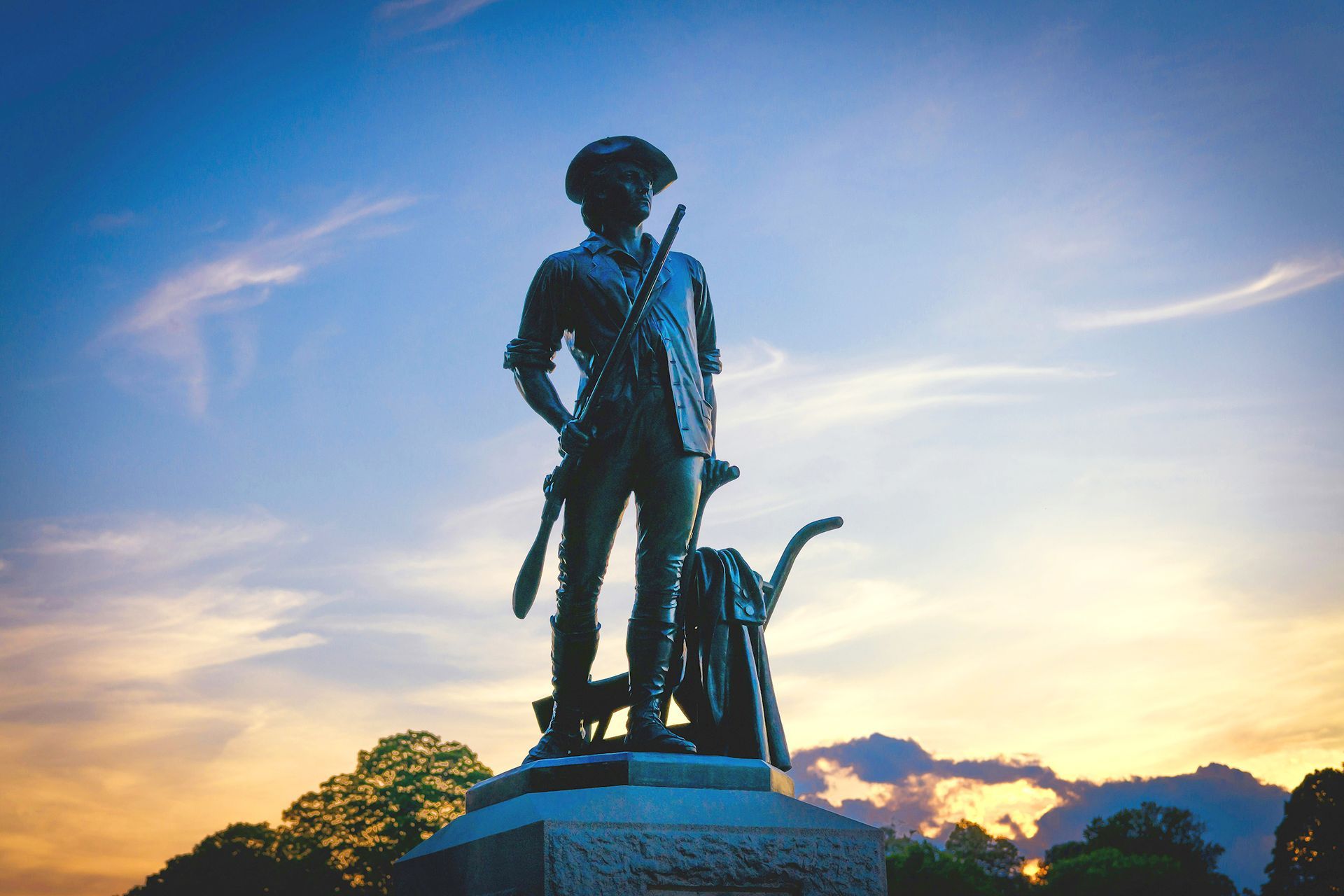
These spirits and messages still circulate around Concord to this day. They resonate through the quaint downtown... the preservation of the museum and visible monuments... the old stone walls that still line the path to Lexington. A block from the Minuteman Museum lies Sleepy Hollow Cemetery, founded in 1855, emphasizing landscaped grounds and natural scenery with large trees and winding paths that invite a quiet reverence and reflection. It is here where both Thoreau and Emerson, and the Alcott family are buried. The aesthetics of the site are clearly in line with the philosophies of their times.

And it is here where my family finished our day in Concord, walking the grounds and soaking in the beautiful summer sunshine and its warmth. 


I thought of the great events that transpired on the grounds of this town and its surrounding area, of the great men and women who had tread these roads and these paths not long ago. And I thought again of TS Eliot’s quote of returning to where you started and knowing the place for the first time. And in knowing the place, I am “knowing thyself.” For its culture, history, and peoples have colored and crafted my spirit and continues to steer my soul. 


We all have a story. Mixed with tragedy, we craft the meaning. I encourage everyone to focus on gratitude for the positive ways that your personal history, its culture, and its people specific to your life and experiences have driven and developed the best aspects of your character. And then let’s all work to honor them. Those events. Those people. Those ideas. And do so together. In communion. With faith, hope and love. 


-Andrew M. Dale, MD

And it is here where my family finished our day in Concord, walking the grounds and soaking in the beautiful summer sunshine and its warmth. 


I thought of the great events that transpired on the grounds of this town and its surrounding area, of the great men and women who had tread these roads and these paths not long ago. And I thought again of TS Eliot’s quote of returning to where you started and knowing the place for the first time. And in knowing the place, I am “knowing thyself.” For its culture, history, and peoples have colored and crafted my spirit and continues to steer my soul. 


We all have a story. Mixed with tragedy, we craft the meaning. I encourage everyone to focus on gratitude for the positive ways that your personal history, its culture, and its people specific to your life and experiences have driven and developed the best aspects of your character. And then let’s all work to honor them. Those events. Those people. Those ideas. And do so together. In communion. With faith, hope and love. 


-Andrew M. Dale, MD


Dr. Dale’s Journal

March 22, 2026
Building connections for a healthy and vibrant life
March 16, 2026
Connecting to the divine through nature
March 15, 2026
Rejoicing in the connection between creativity and the divine
March 8, 2026
The formative years
February 18, 2026
An extension of spiritual purpose into healing the body
February 18, 2026
A reverence for life in all its forms